 HortiNode
Built in South Africa
Growing, made clear.
Professional growing technology has traditionally been built for large operations and imported conditions. HortiNode brings those capabilities within reach of more growers.
The change
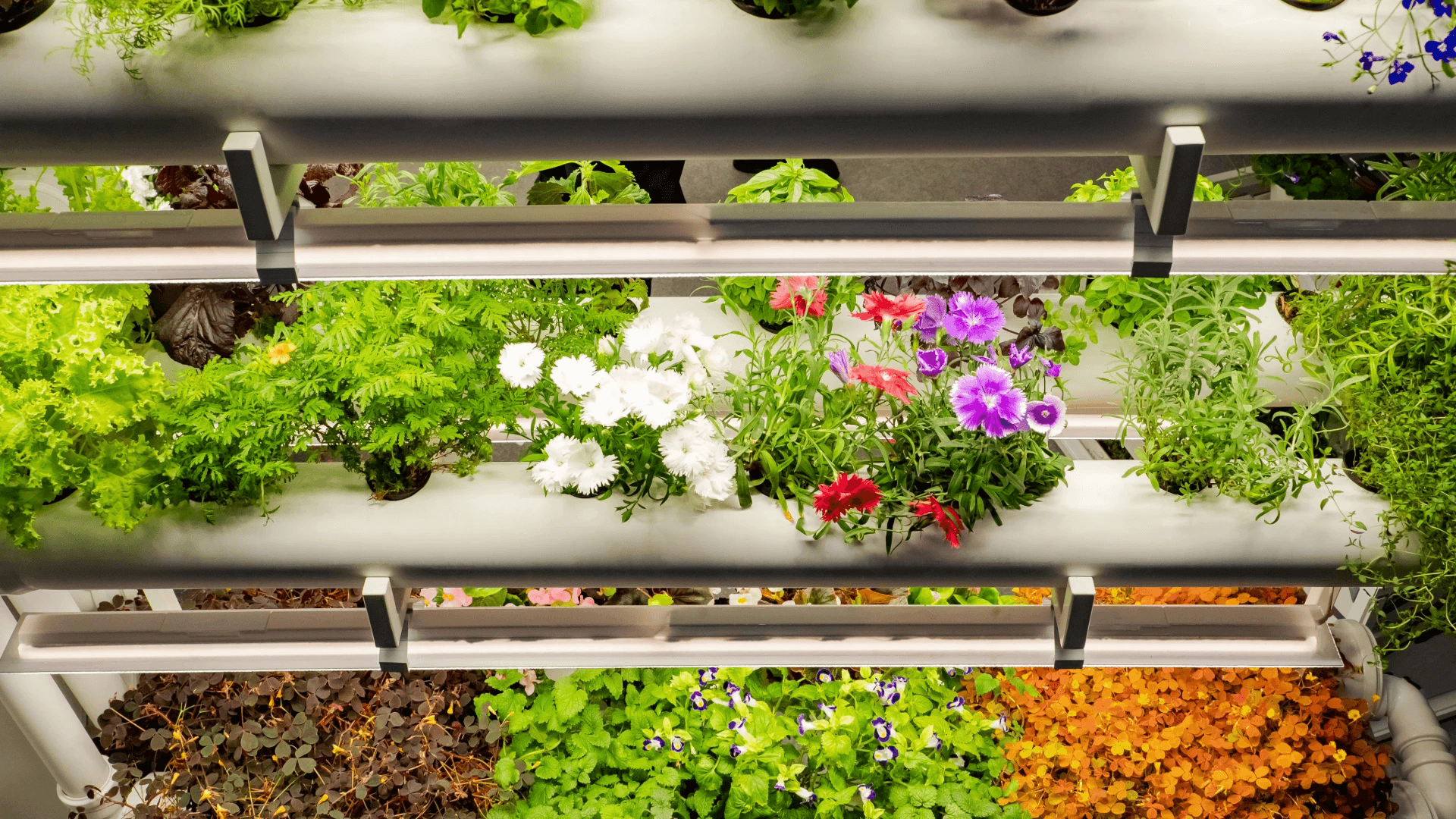
From guessing to knowing.
A grower checks the crop in the morning. By the afternoon, conditions may have already changed. Temperature, humidity, or irrigation issues often go unnoticed until the next inspection — when it's already affecting the crop.
This isn't a lack of skill. It's a lack of visibility.
HortiNode gives growers a live view of their environment as it happens. Real-time monitoring, alerts, and automation help prevent problems before they become costly, while every reading and action builds a record that helps growers make better decisions and produce more consistent crops over time.
What you get
Three things, straight away.
See your grow
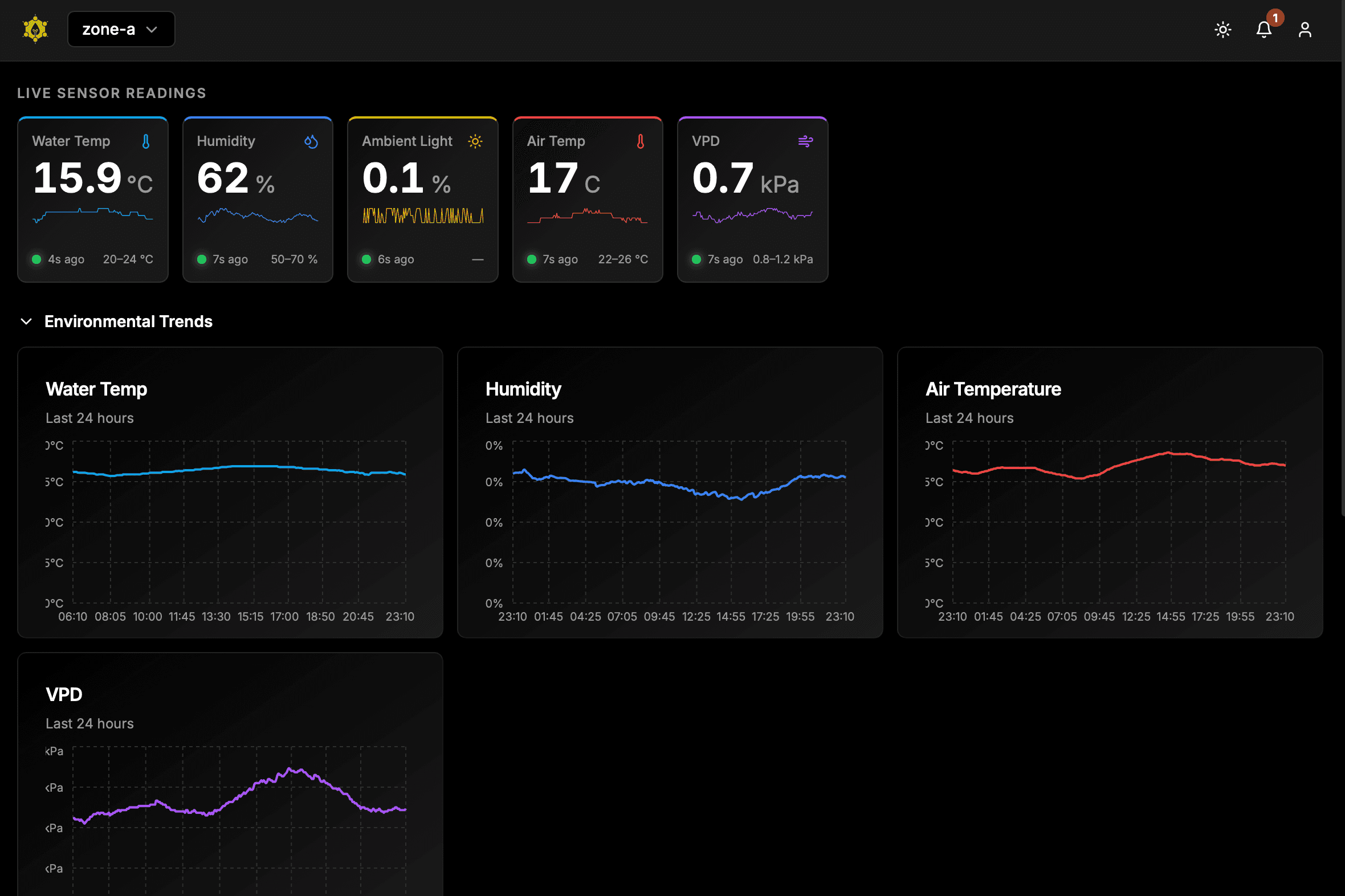
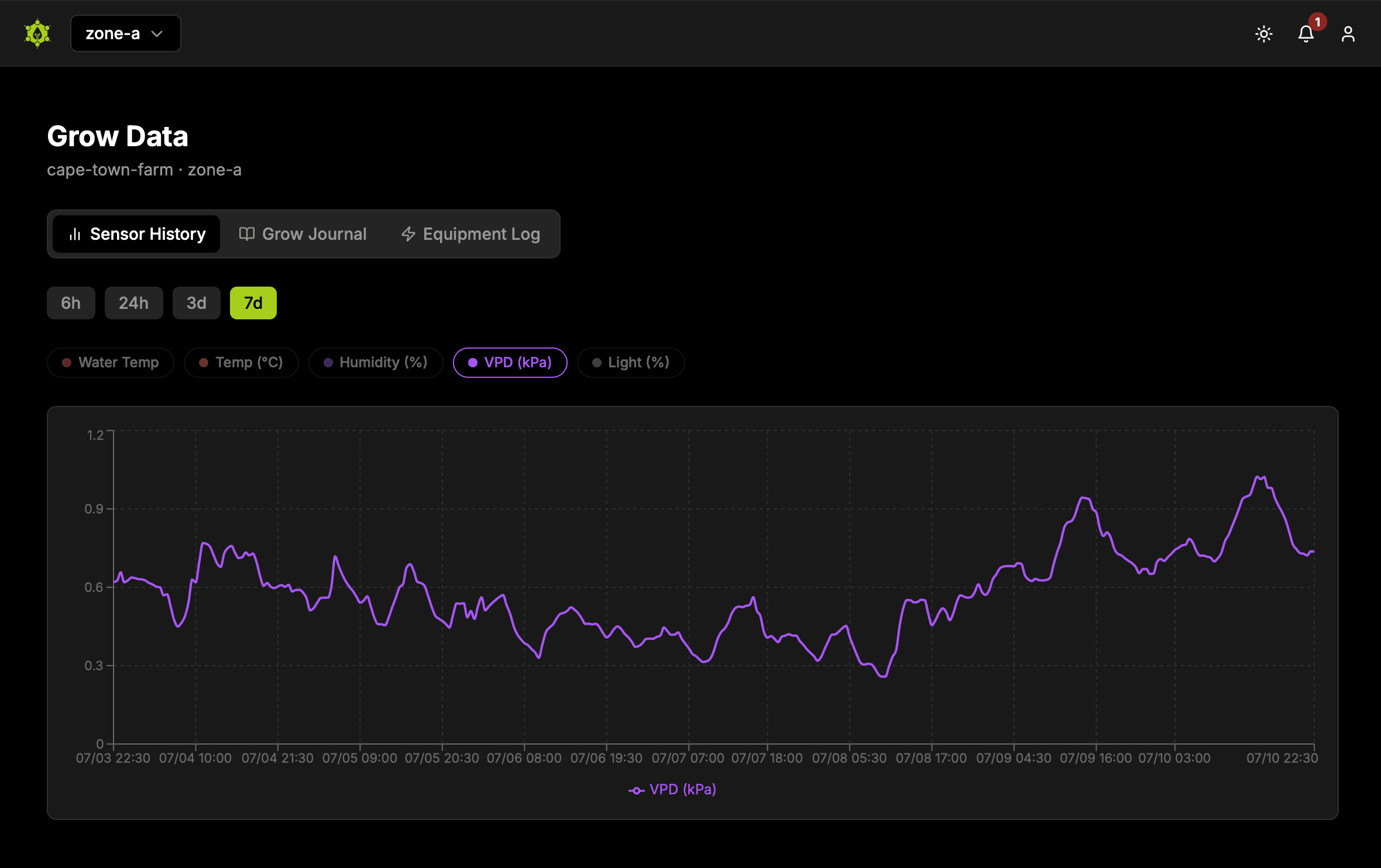
See the conditions inside your grow from anywhere. Temperature, humidity, VPD, water conditions and more — all in one place, without needing to be on site.
Let it handle the work
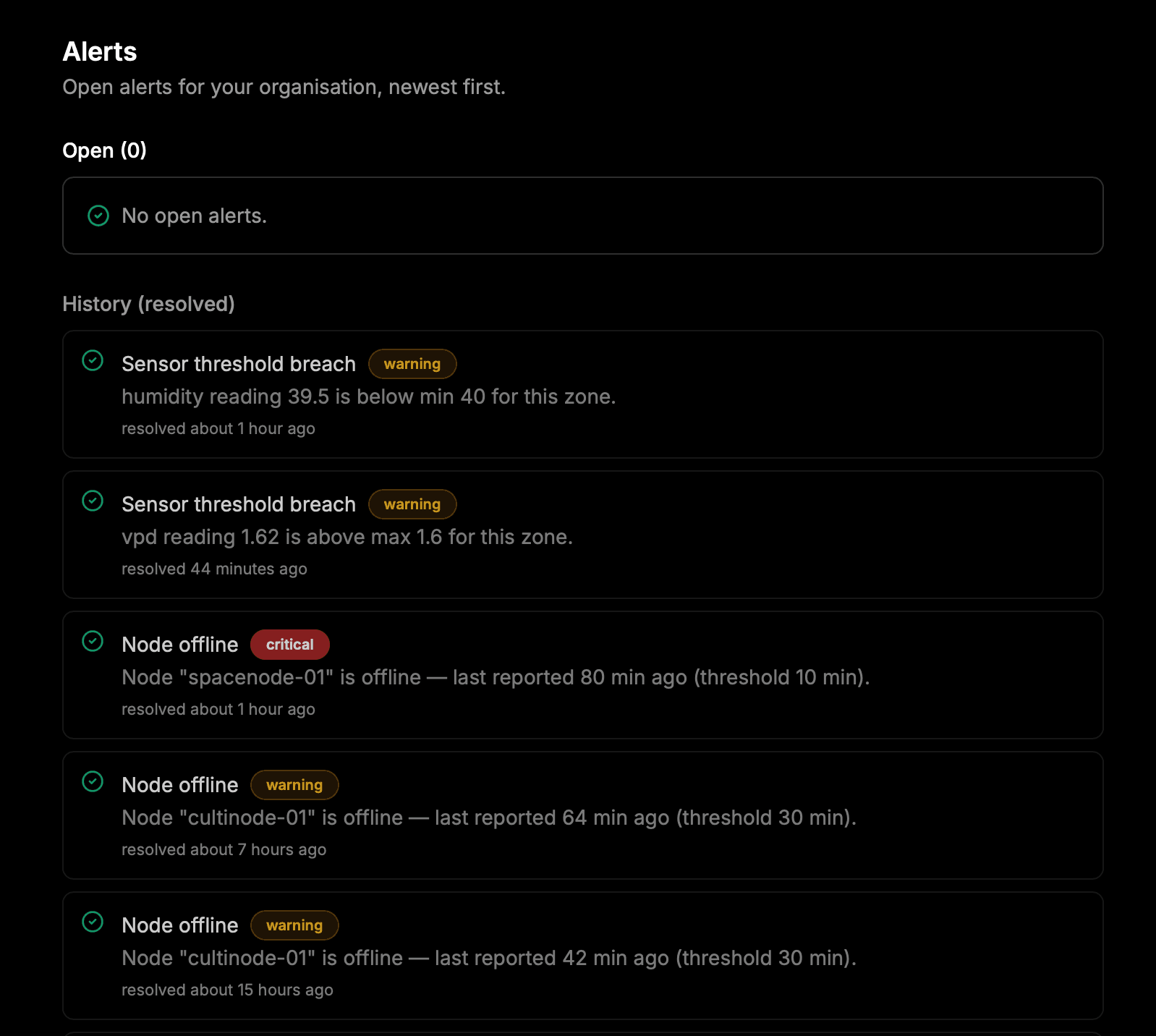
Define the rules once. The system acts on your live readings — and tells you the moment something's wrong, wherever you are.
Feed with confidence
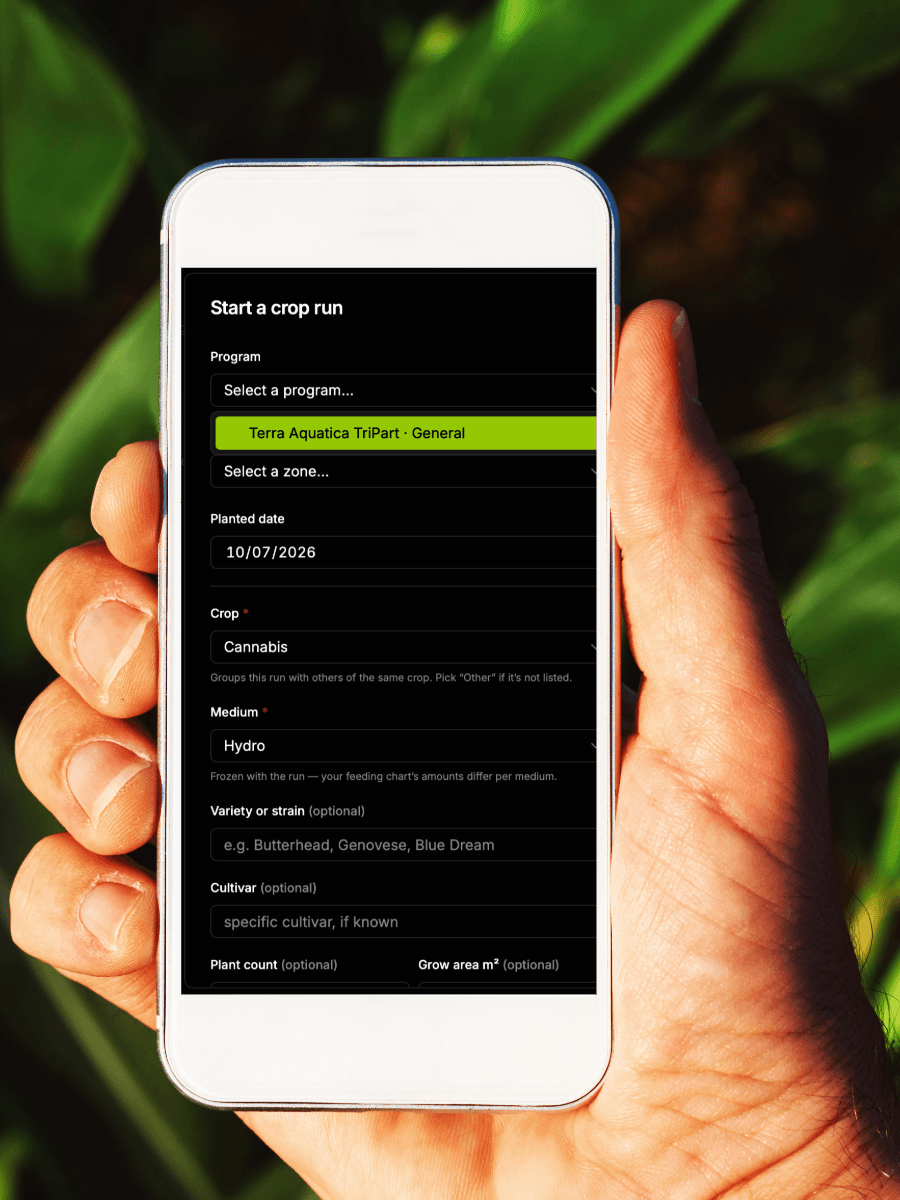
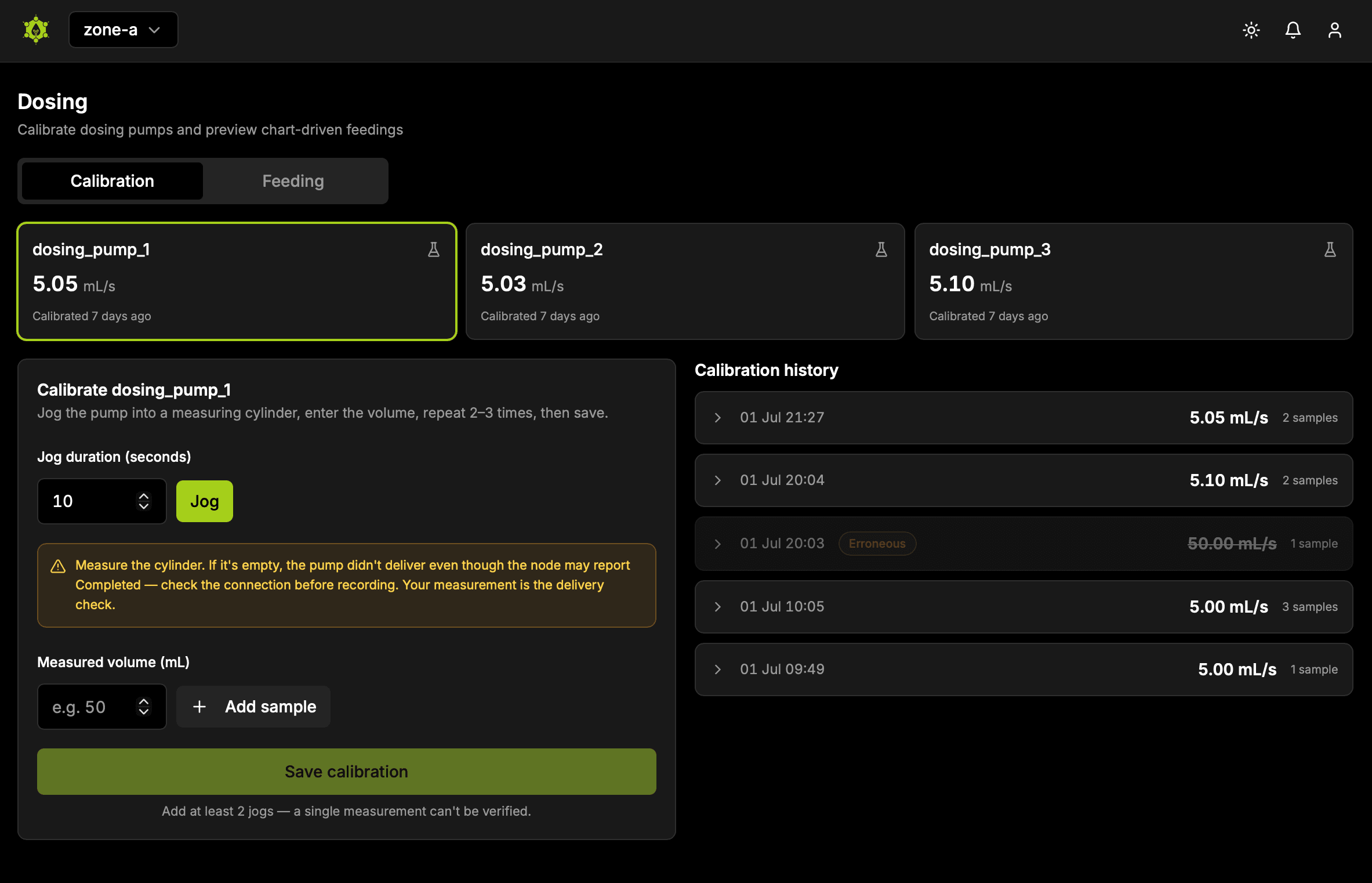
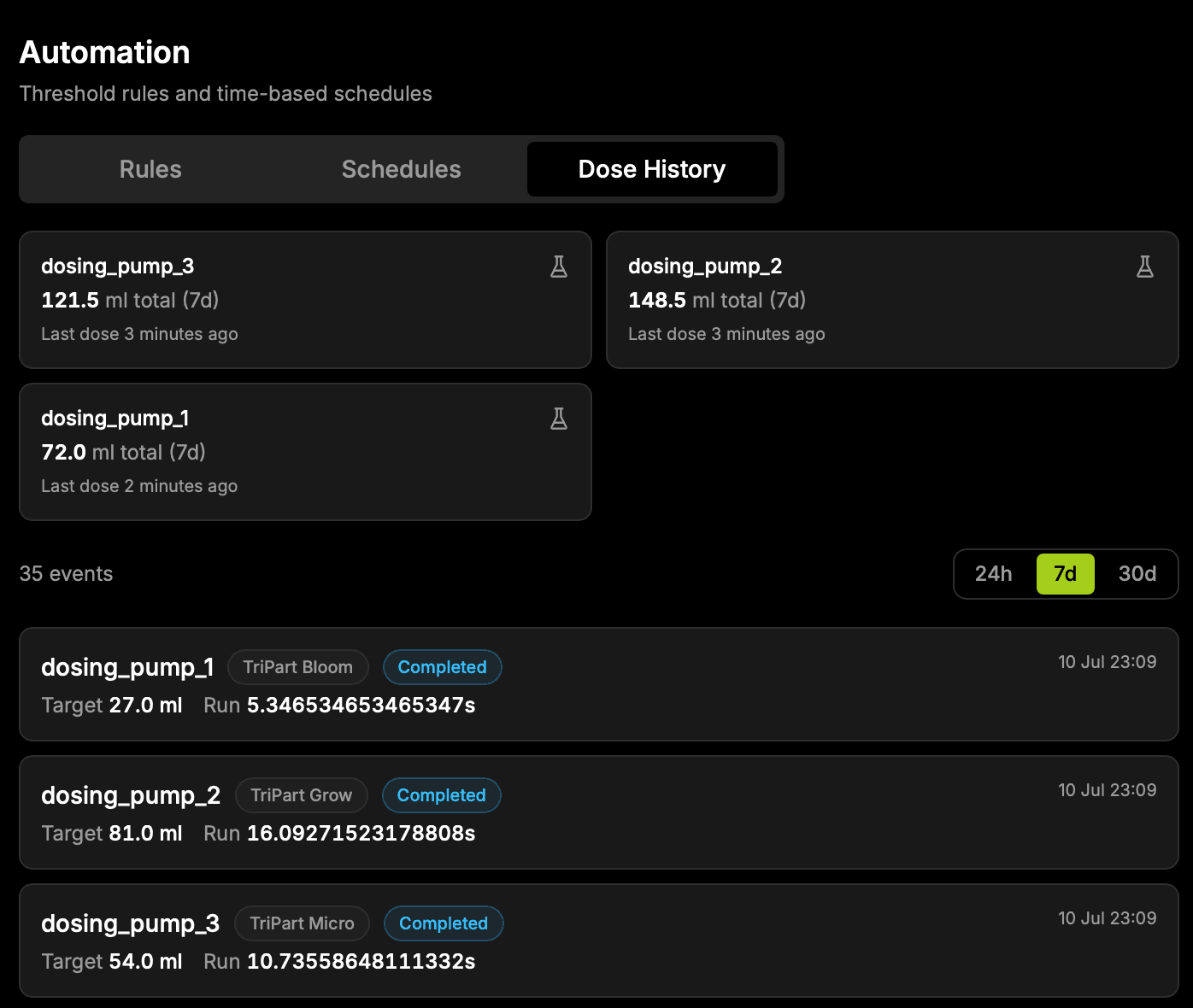
Dose your feeding chart with pumps you calibrate by hand. Every dose is logged before it's delivered and confirmed on completion — and if it can't be confirmed, it says so rather than pretending it happened.
Why we built HortiNode
A response to what we saw.
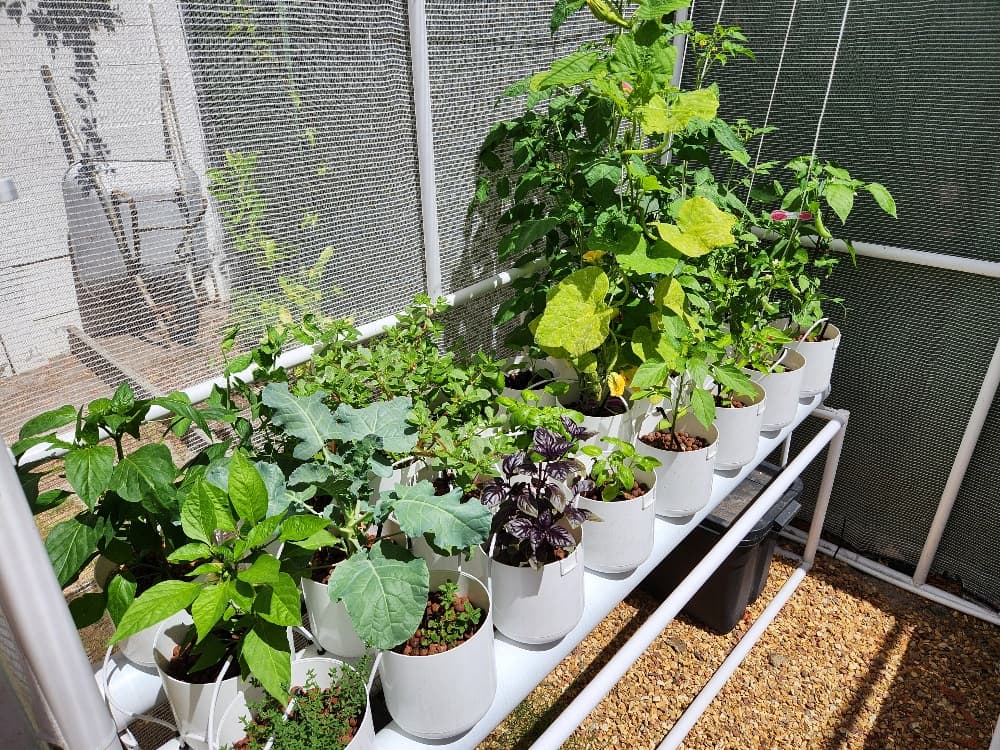
Across small farms, tunnels and indoor grows, we kept seeing the same challenges: limited visibility, manual routines, and expensive technology that was never built for their scale.
HortiNode is our response. It wasn't created to sell software — it was created to solve the problems growers face every day.
Who it's for
Built for growers ready for the next step.
The expensive systems were built for large commercial operations. We built HortiNode for growers who are ready to improve consistency, save time and make better decisions — without investing in enterprise-scale systems.
Start small. Start affordably. Grow from there.
Where it's going
The directionYour grow, remembered.
Every crop builds a record of what was grown, the conditions it experienced, and the results it produced. Here's where that goes.
See your grow, control it, and own the record of every run.
Growing knowledge shaped by real South African conditions, with feeding programmes and cultivation guidance informed by data from local growers.
An on-site controller that keeps running offline, sensing-driven dosing, and — for growers who opt in — a shared picture of what actually works here.
More growers making commercial-grade decisions — using fewer resources, producing better crops and building stronger businesses.
Your data stays yours. Sharing with the wider community is always your choice. Our platform is hosted on secure European infrastructure designed around modern privacy and security standards.
Why us
We're already in the room with growers.
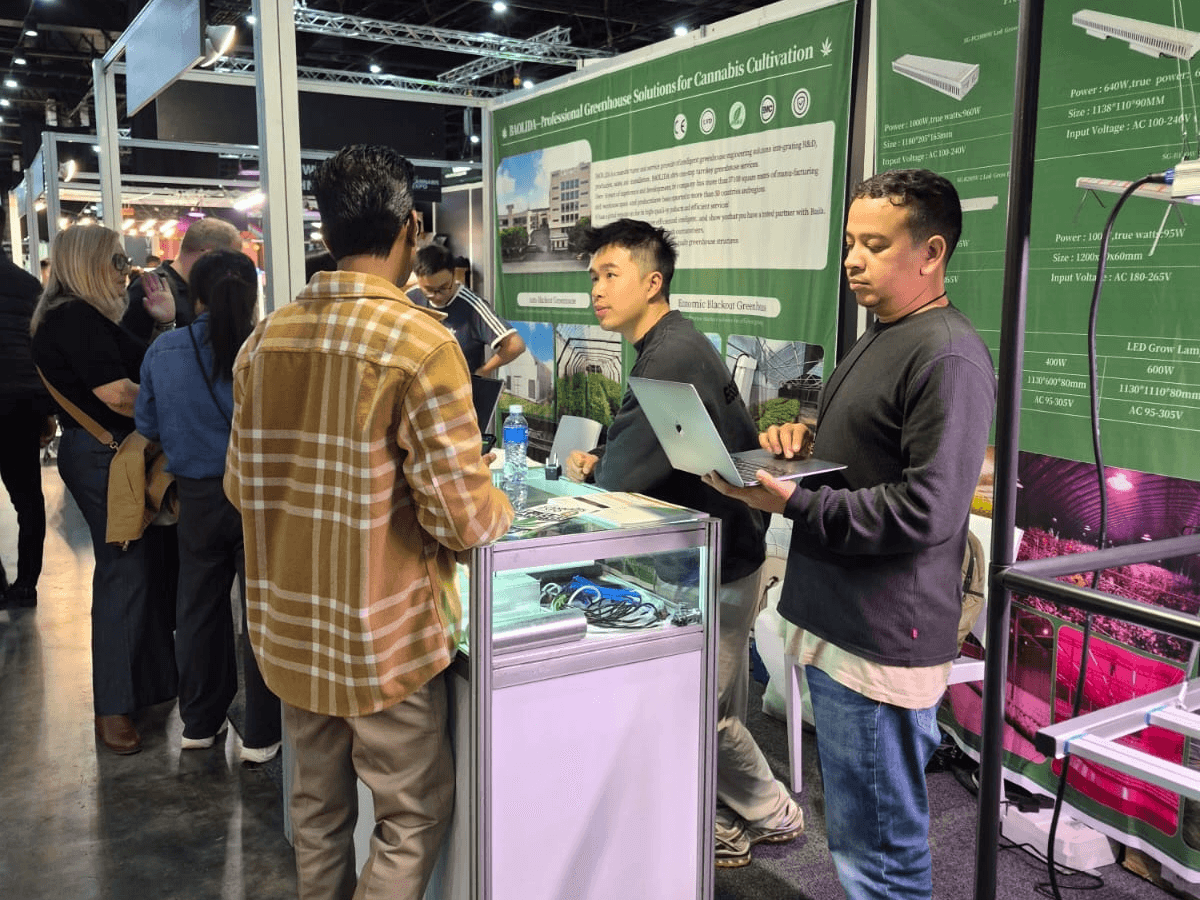
HortiNode didn't begin as a software project. It grew out of Hydro Works, where we work with growers designing systems, supplying equipment and solving cultivation challenges every day.
That means our roadmap isn't driven by feature requests alone. It's shaped by conversations in greenhouses, grow rooms and tunnels across South Africa.
Our first growers are people we already know and support. We're not entering this industry — we're building alongside it.
Where we are
Live todayReal hardware. Real grows. Starting with our own.
HortiNode isn't a concept or a prototype. It runs today in real growing environments, starting with our own. From spring 2026, we'll begin onboarding pilot growers in small groups.
Today, HortiNode provides live monitoring and control, dosing, and a complete record of every grow — allowing us to measure what changes, rather than simply claiming results.
We're still at the beginning. We'd rather be transparent about where we are than pretend we're further along. What's built is real, and what comes next will be shaped by the growers who use it.
With the support of
HortiNode has been built with the support of partners who believed in the idea early and continue to help us move it forward.
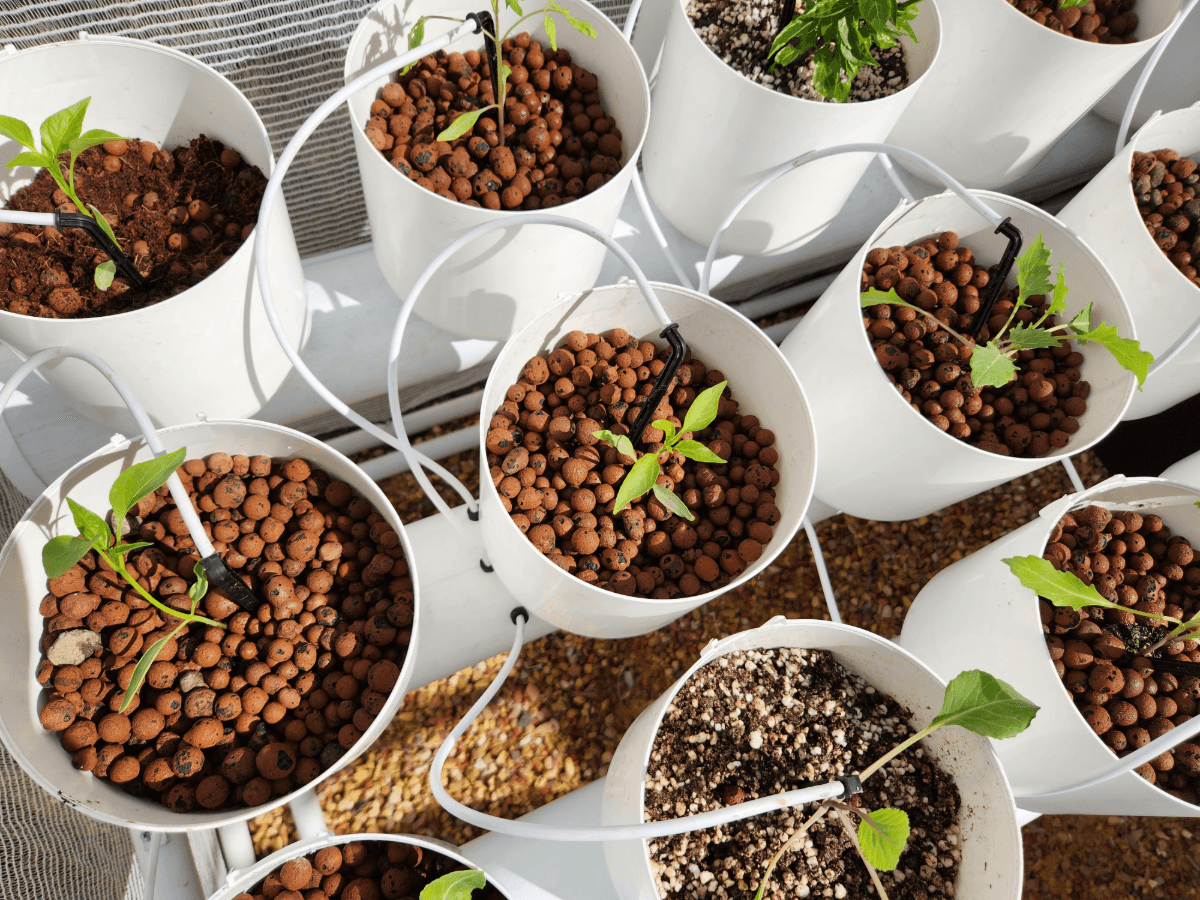
Built with growers, not just for them.
Every pilot, every conversation and every season teaches us something new. HortiNode will continue to evolve alongside the people who rely on it.
South Africa